
Statistics plays a vital role in scientific research by providing a systematic approach for analyzing and interpreting empirical data. It enables scientists to design experiments and sample data in a way that maximizes the power of statistical tests, analyze data using appropriate techniques, interpret results based on statistical evidence, and communicate findings to other scientists and the public through statistical measures and visualizations. In various scientific fields, such as medicine, biology, psychology, and physics, statistics is used to investigate and understand phenomena, determine the effectiveness of treatments, study animal behavior, and investigate properties of materials and the universe.
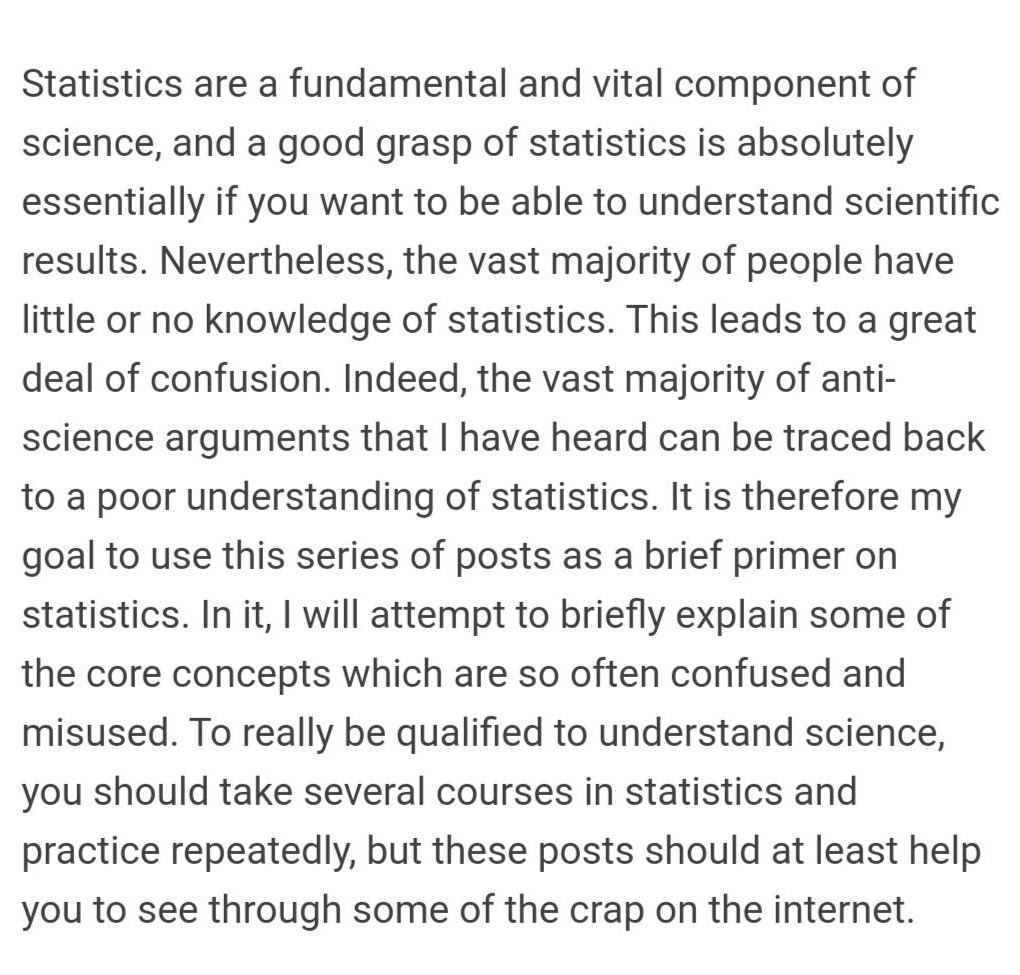
Basic Statistics Part 1: The Law of Large Numbers
By TheLogicOfScience
Full article: https://thelogicofscience.com/2015/01/28/basic-statistics-part-1-the-law-of-large-numbers/
Basic Statistics Part 2: Correlation vs. Causation
Full article: https://thelogicofscience.com/2015/01/28/basic-statistics-part-2-correlation-vs-causation/
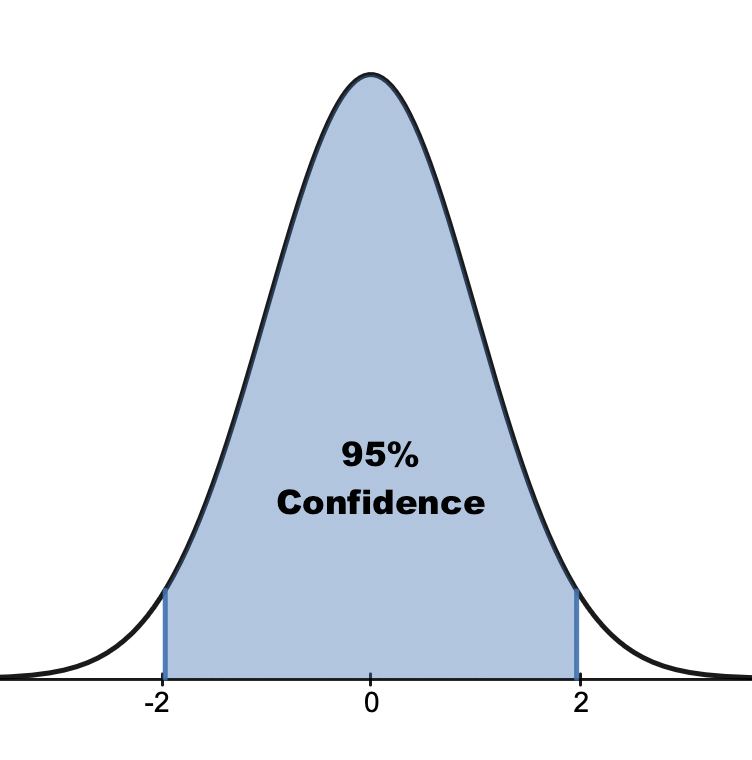
Basic Statistics Part 3: The Dangers of Large Data Sets: A Tale of P values, Error Rates, and Bonferroni Corrections

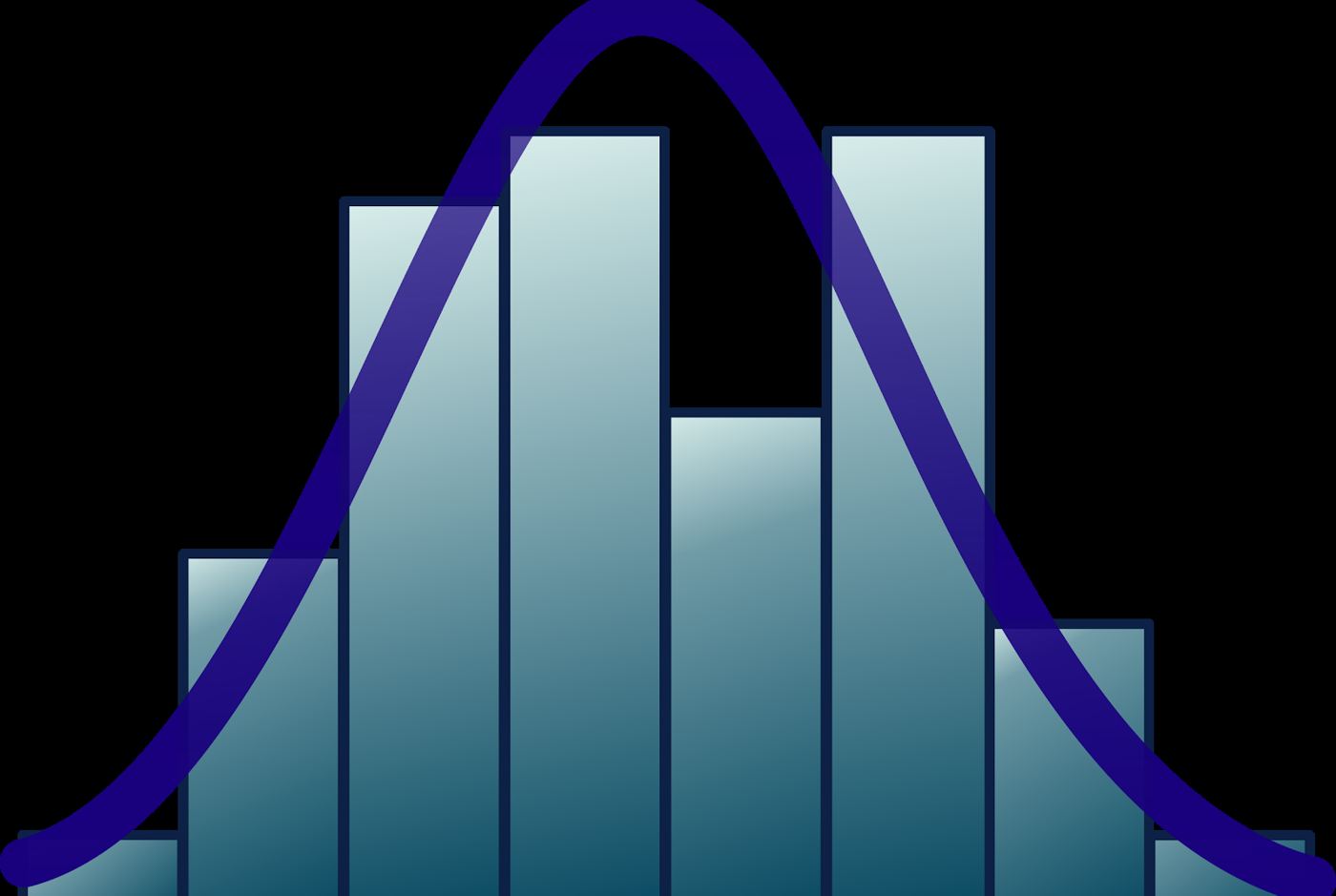
Basic statistics part 4: understanding P values
Full article: https://thelogicofscience.com/2015/12/28/basic-statistics-part-4-understanding-p-values/

Basic Statistics Part 5: Means vs Medians, Is the “Average” Reliable?
Full article: https://thelogicofscience.com/2016/10/10/basic-statistics-part-5-means-vs-medians-is-the-average-reliable/
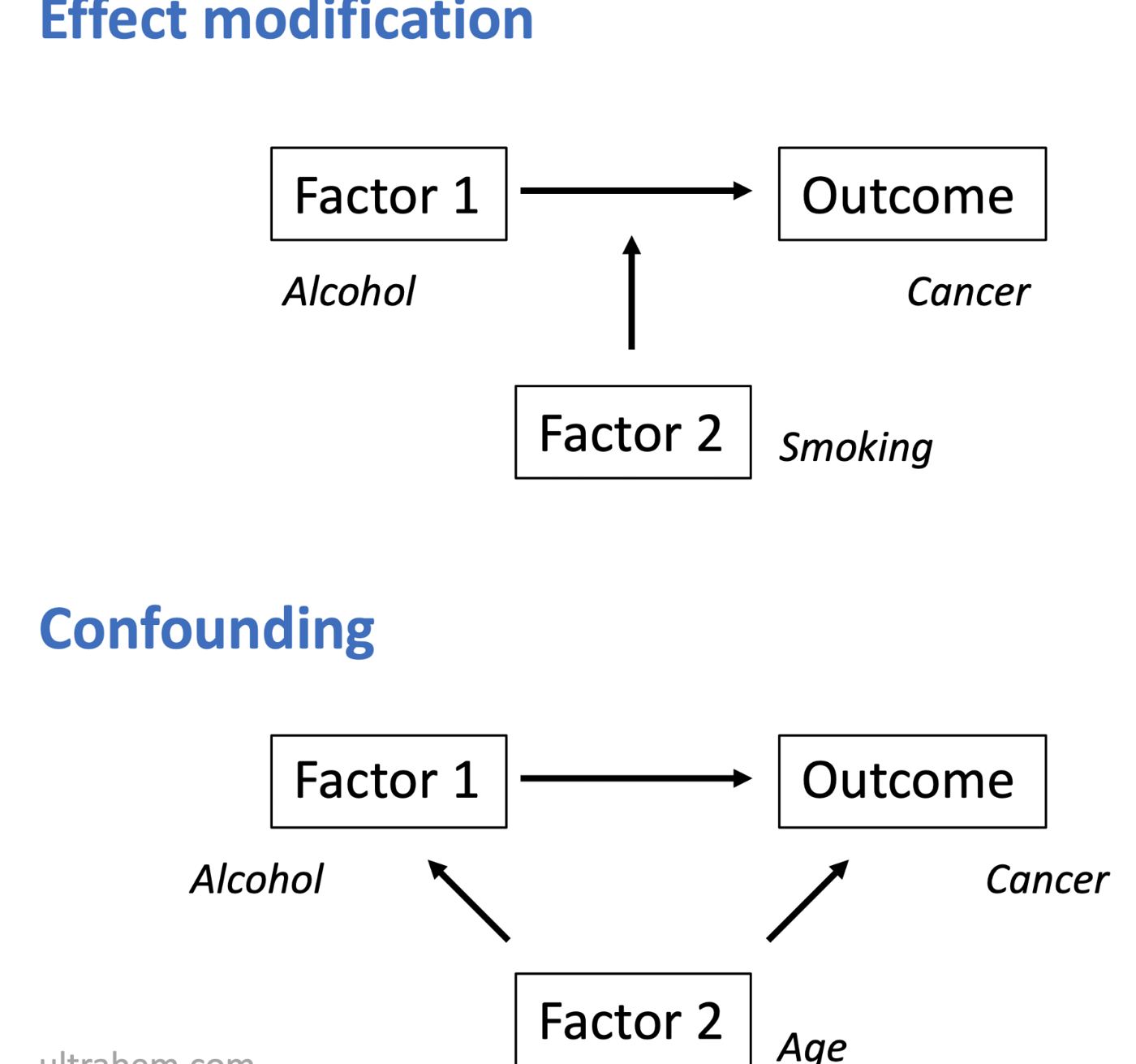
Basic Statistics Part 6: Confounding Factors and Experimental Design
Full article: https://thelogicofscience.com/2017/02/14/basic-statistics-part-6-confounding-factors-and-experimental-design/

When can correlation equal causation?
Full article: https://thelogicofscience.com/2017/10/03/when-can-correlation-equal-causation/